When a CBRE or JLL deal team is working a large-tenant requirement in the Uptown Dallas submarket, they're drawing on a proprietary analytics infrastructure that has been built over years and funded at scale. CoStar data feeds into internal models. Lease comps from the firm's own transaction history are structured in internal databases accessible across geographies. Pipeline visibility tools surface deal stage data across dozens of concurrent requirements. Research teams publish submarket reports that feed directly into pitch materials.
A regional brokerage competing for the same requirement — or working the landlord side of the same asset — often does the same analytical work with different tools. CoStar subscription: yes. Internal comp database: Excel spreadsheets organized by deal or submarket, updated manually. Pipeline tracking: a CRM that was set up three years ago and hasn't been consistently maintained. Research: individual broker knowledge and whatever public reports are available from JLL Research or CBRE Research.
The capability gap is real. But describing it as a technology problem misframes what's actually happening.
It's not about having the data — it's about using it
Regional brokerages with CoStar subscriptions have access to the same underlying transaction data that national firms are pulling. The difference is not data access at the source; it's the engineering and process layer between the raw data and the analytical output.
National firms have built proprietary layers on top of CoStar and their own transaction history because they had the development budgets and the scale to justify it. The CBRE analytics team that built their internal lease comp system amortizes that engineering cost across thousands of annual transactions. A 20-agent regional brokerage closing 80 transactions per year cannot justify building the same thing from scratch — nor should they try to.
The practical effect of this gap shows up in three areas: comp turnaround time, pipeline visibility, and pitch quality.
Comp turnaround time
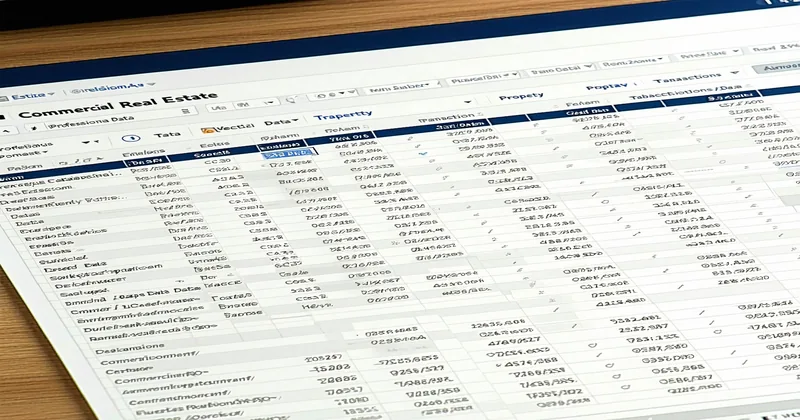
When a national firm's deal team needs a comp set, they pull from an internal database that has already been processed, filtered, and structured against their target submarkets. The analyst doesn't need to export from CoStar, clean the data, exclude renewals and subleases, and reformat everything into a client-presentable table. That workflow has been automated or templated to the point where a comp pull that takes a regional broker 2–3 hours takes a national firm analyst 20 minutes.
In a fast-moving leasing market — and during periods of heightened leasing velocity in submarkets like Legacy West Plano or the DFW Airport industrial corridor — comp turnaround time affects deal outcomes. A tenant rep who can deliver a current, well-structured comp package within hours of identifying a space is in a different competitive position than one who needs a day or two to assemble the same analytical support.
We're not saying that speed alone determines deals. Relationships, market knowledge, and negotiation skill matter enormously in regional CRE, and these are areas where local firms often have genuine advantages over national competitors. What we're saying is that analytical speed and quality are increasingly table stakes in markets where tenants' internal real estate teams are more sophisticated and landlords have more data than they did ten years ago.
Pipeline visibility
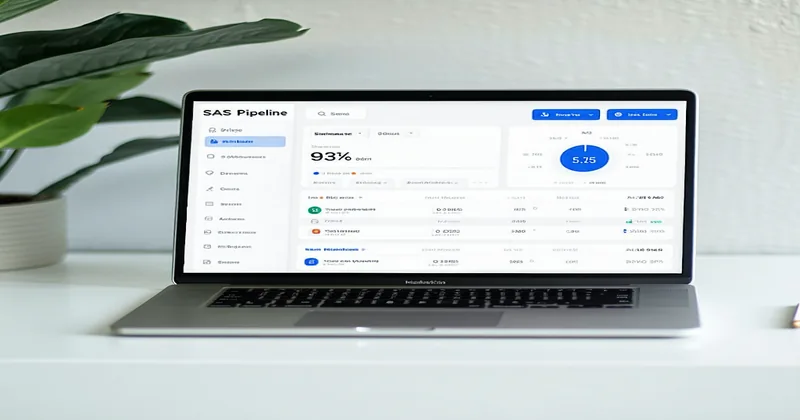
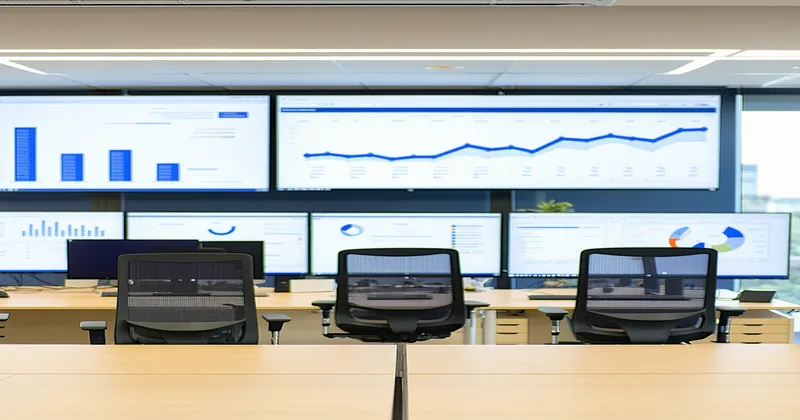
National firms have practice group leaders and market leaders who can look at a dashboard and see aggregate pipeline data across their deal teams: total active requirements, deals in LOI, average time-in-stage, leasing velocity by submarket. This visibility supports resource allocation, business development focus, and early identification of deals that are at risk of falling out.
At most regional brokerages, the equivalent function — if it exists at all — runs through a Managing Broker's memory, weekly team meetings, and periodic CRM pulls. The CRM data is often incomplete because agents update it inconsistently. The weekly meeting covers the most active deals but not necessarily the deals that have gone quiet and are at risk of dying.
The consequence isn't that regional brokerages lose deals to national firms because their principals don't know their own pipeline. Most Managing Brokers at experienced regional firms have a clear intuitive sense of their deal flow. The consequence is that the analytical overhead of maintaining that intuitive awareness takes time and attention that could be going toward business development, deal execution, or team management.
Pitch quality and comp package presentation
National firms produce polished, branded comp packages that reflect their research infrastructure. A JLL comp package for a Dallas office requirement includes formatted tables, submarket summary statistics, a map showing transaction locations, and a comp narrative that contextualizes the deal within current market conditions. The presentation quality signals analytical credibility to the tenant's counsel and internal real estate team.
Regional brokerages' comp packages are often functional but less polished. The analytical content may be equivalent or even stronger — because the regional broker knows the submarket more deeply than a national firm's analyst covering ten markets simultaneously — but the presentation doesn't always reflect that expertise.
This is a meaningful competitive gap in pitches and proposals, particularly when the competing parties include both a national firm and a regional firm. The tenant's perception of analytical capability is influenced by presentation quality, even when the underlying market knowledge is comparable.
Where the gap is actually closable
The data leverage gap between national and regional CRE brokerages is not primarily a data subscription problem. It's an engineering problem — the work product of making raw transaction data analytically useful requires either internal engineering investment or external tooling that provides the same structured workflow.
National firms built proprietary tooling because they had scale and budget. The tools that have emerged in the CRE technology market over the last several years — purpose-built for comp workflow, pipeline management, and CoStar data integration — change the economics of this calculus for regional firms. Buildout handles marketing and listing management. VTS is built for asset managers and large landlords. Tools designed specifically for regional brokerage comp and pipeline workflow address the specific gap we're describing.
The regional brokerage's genuine advantages — local submarket depth, established principal relationships, faster deal decision cycles — are stronger when they're backed by analytical work product that matches the quality standard of national competitors. That's the case for investing in the workflow layer, not just the data layer.
If you'd like to see what closing the analytical gap looks like in practice for a regional brokerage your size, request a demo. We'll connect to your CoStar data and show you what structured comp workflow produces against your active requirements.